

How to Get Fit for a Mongolian Horse Trek
The best way to prepare for a Mongolia horse trek is to spend about eight weeks building core stability, leg endurance, and cardiovascular stamina. You do not need to be an athlete, but several hours a day in the saddle across open steppe will find every weakness in your fitness, so a little structured training goes a long way.
Riding looks passive from the outside. In practice, it is a steady, full-body effort: your core holds you upright, your legs grip and balance, and your heart and lungs keep pace through hours of movement. This guide walks you through what to train, how to practice, and a simple week-by-week plan so you arrive ready to enjoy the ride rather than endure it.
Why Riding Fitness Differs From General Fitness
Riding fitness is specific. You can run a 10k and still finish your first long day on horseback aching in places a treadmill never touched. The muscles that stabilize you in the saddle, your deep core, hip adductors, and glutes, work in small, constant contractions rather than big explosive movements.
That is why a gym routine built around bench presses and bicep curls does not translate directly to trek readiness. The demands are endurance based and postural. You hold a balanced position for hours while absorbing the horse's motion, adjusting constantly without consciously thinking about it.
Horseback riding is genuine physical activity, not a rest day. Depending on the gait, it ranges from moderate effort at a walk to vigorous effort at a canter, comparable to a brisk jog in cardiovascular terms. Multi-day treks that mix all paces deliver a real training load, which is exactly why you want to build toward it instead of meeting it cold.
For a clearer picture of what the days themselves involve, our guide to a multi-day horseback adventure in Mongolia describes a typical itinerary, including how many hours you can expect to ride.
Which Core and Leg Exercises Help Most in the Saddle?
The exercises that pay off most are the ones that build a stable torso and strong, enduring legs. Your core keeps you centered through every trot and turn, while your legs do the gripping, balancing, and shock absorption that long rides demand.
Focus your strength work on these movements:
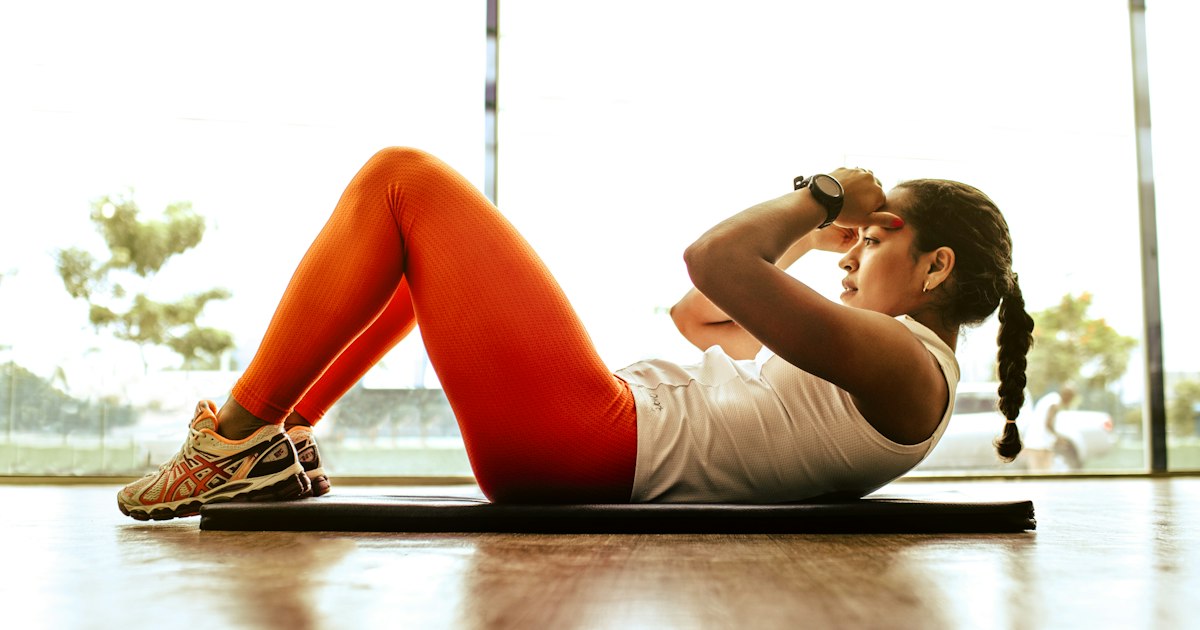
- Planks and side planks. They train the deep core muscles that hold your posture steady through hours of motion. Start at 30 seconds and build toward two minutes.
- Squats and lunges. These strengthen the quadriceps, glutes, and hamstrings you rely on to rise into a posting trot and stay balanced over uneven ground.
- Glute bridges. They activate the posterior chain that supports your seat and protects your lower back.
- Inner-thigh (adductor) work. Side-lying leg raises or a simple ball squeeze build the muscles that grip the saddle. These are often the sorest after a first long ride.
Research into rider conditioning has found that a focused core program over roughly two months can improve a rider's balance and symmetry in the saddle. You do not need heavy weights. Bodyweight movements done consistently, two or three times a week, build the right kind of strength.
How Do You Build Endurance for Long Days Riding?
You build riding endurance the same way you build any aerobic base: steady, repeated cardiovascular work over several weeks. The CDC recommends 150 minutes of moderate aerobic activity each week, or 75 minutes of vigorous activity, plus two days of muscle-strengthening work (Centers for Disease Control and Prevention, current guidelines). That is a sensible floor to aim for before a trek, and most people start below it.
Long days on the steppe are more about stamina than peak intensity. The goal is a body that stays comfortable and alert through six to eight hours of movement, not one that can sprint. Brisk walking, hiking, cycling, and swimming all build the base you need.
Hiking deserves special mention. Walking for two or three hours over hills closely mirrors the postural fatigue and lower-body endurance of a riding day, and it toughens the feet and legs you will stand on at camp each evening. If you can comfortably hike a half day, you are in good shape for the saddle.
Mix in a few shorter, harder sessions as your trek approaches. Intervals, a hillier hike, or a faster cycle teach your heart and lungs to recover quickly, which helps on the stretches where the group picks up to a trot or canter.
Should You Practice Riding Before the Trip?
Yes. Two or three real riding lessons in the month before you travel are one of the highest-value things you can do. They wake up the exact muscles a trek uses and let you discover any soreness at home, where a hot bath is close by, rather than on day one of an expedition.
Lessons also build the small skills that reduce fatigue. Learning to post the trot, keep your heels down, and relax your hips means you work with the horse instead of fighting it. Efficient riders tire far more slowly than tense ones.
If you cannot find a stable, even a single lesson helps. Ask the instructor for flat, steady work rather than jumping or arena drills. You want saddle time and a feel for balance, not performance skills. Dream Treks matches riders to calm, surefooted horses suited to their level, but arriving with some saddle confidence still makes those first hours more relaxed.
How Do You Stretch and Recover to Avoid Soreness?
Daily stretching and smart recovery are what keep the middle days of a trek enjoyable. The muscles that get tightest from riding are the hip flexors, inner thighs, lower back, and glutes, so build a short routine around those areas and do it every day, not just when you feel stiff.
Keep it simple:
- Hip flexor and quad stretches to open the front of the hips that riding keeps closed.
- Figure-four and seated glute stretches to release the muscles you sit on all day.
- Gentle lower-back and hamstring stretches to ease the posture of a long ride.
- Calf and ankle mobility for the legs that carry you around camp.
On the trek itself, recovery habits matter as much as fitness. Stay hydrated, stretch for five minutes after you dismount while the muscles are still warm, and walk around rather than collapsing the moment you reach camp. Light movement flushes out the stiffness that otherwise settles in overnight. Packing the right layers helps too, since cold muscles tighten faster; our guide to packing for a Mongolia horse trek covers the clothing that keeps you comfortable morning and evening.
A Simple 8-Week Plan to Prepare for a Mongolia Horse Trek
An eight-week plan gives your body enough time to adapt without rushing. The structure is straightforward: build a base first, add riding-specific strength, then sharpen endurance and practice in the saddle. Adjust the volume to your starting point, and treat rest days as part of the training.
Weeks 1 to 2: Build the base. Walk or hike three to four times a week and start light core work (planks, glute bridges) twice a week. The aim is consistency, not intensity. Hit roughly the 150-minute weekly activity mark.
Weeks 3 to 4: Add strength. Keep the cardio and add two full strength sessions a week with squats, lunges, and adductor work. Extend your longest hike to two hours. Book your first riding lesson.
Weeks 5 to 6: Lengthen the effort. Push your long hike toward three hours and add one faster interval session weekly. Continue strength twice a week. Fit in a second riding lesson and start a daily five-minute stretch routine.
Weeks 7 to 8: Sharpen and taper. Maintain endurance with a couple of longer sessions, do a final riding lesson, and keep stretching daily. In the last week, ease off heavy training so you arrive fresh rather than fatigued.
If you want to time all this against the riding season, set your departure date first, then count the eight weeks backward from there so your training peaks right as you travel.
Start Your Eight-Week Countdown
Pick your trek date, count back eight weeks, and put the first base-building sessions on your calendar this week. Preparation is the difference between spending your trek watching the landscape and spending it watching the clock until you can dismount. When you are ready to choose an expedition that matches your pace, reach out to Dream Treks and we will help you pick a route and a horse suited to your fitness and experience.
Frequently asked questions
How long should I train before a Mongolia horse trek?
Give yourself about eight weeks of consistent preparation. That window is enough to build core stability, leg endurance, and the cardiovascular base needed for long days in the saddle without rushing your body.
Do I need to be an experienced rider to join a trek?
No. Most guided treks welcome beginners, but a few riding lessons beforehand make the first days far more comfortable. Physical preparation matters more than advanced skill for an enjoyable expedition.
What is the most important muscle group to train for riding?
Your core and inner thighs do the most work. A stable torso keeps you balanced through a trot, while strong adductors and glutes help you grip and absorb the horse's movement over long distances.
Will I be sore after a multi-day horse trek?
Some soreness is normal, especially early on. Stretching daily, staying hydrated, and building leg endurance before the trip greatly reduce how much the saddle time affects you during the middle and later days.