

Multi-Day Horseback Adventure Mongolia: What to Expect
A multi-day horseback adventure in Mongolia means riding 25 to 40 kilometers a day across open grassland, sleeping in gers and tents, and eating simple hot meals cooked at camp. You trade comfort and predictability for distance, silence, and direct contact with a herding culture that still lives on horseback.
If you are weighing providers and wondering what the days actually feel like, this guide walks through the rhythm hour by hour: how far you ride, where you sleep, what you eat, and the fitness a longer trek asks of you. By the end you should know whether a multi-day horseback adventure in Mongolia fits how you like to travel.
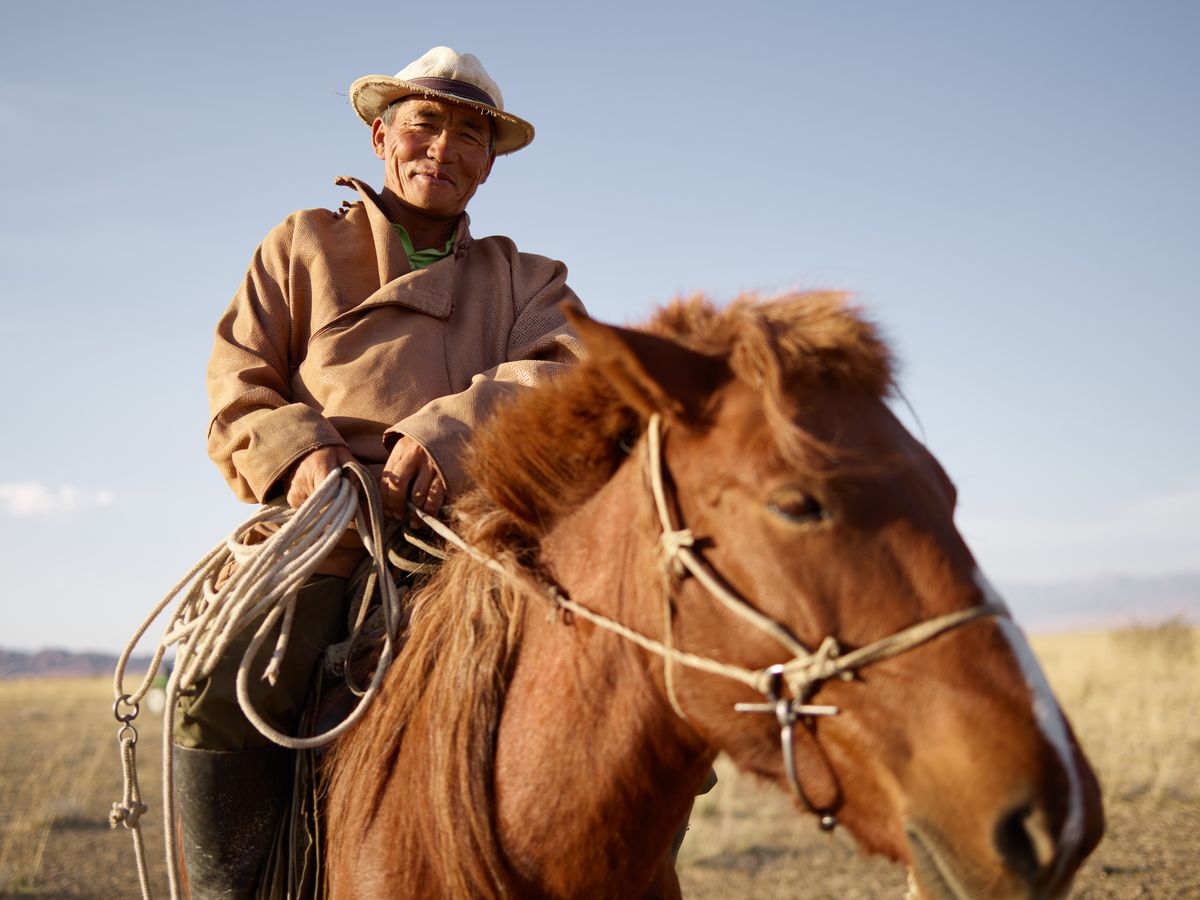
What Does a Day on the Steppe Actually Look Like?
A riding day follows the horses and the light, not a clock. The Mongolian-Manchurian grassland covers more than 386,102 square miles (one million square kilometers), according to EBSCO Research Starters (2024). That scale is why your route can run for days without crossing a paved road.
Mornings start early. You wake in a ger or tent, eat while the guides catch and saddle the horses, and ride out by mid-morning. The first stretch is usually the longest, three hours or so, before a long midday halt.
At lunch the horses graze and rest while you eat and nap in the grass. Afternoons bring a shorter leg, then camp before dusk. Guides read the weather and the animals, so a day can end early if a storm rolls in off the hills.
The rhythm repeats, but the country never does. One day is river valley, the next is dune edge or forest fringe. That slow accumulation of landscape is the whole point of going multi-day.
How Far and How Fast Do You Ride Each Day?
Expect 25 to 40 kilometers a day at a steady walk and trot, with occasional canters where the ground is flat and safe. The pace is set by the slowest rider, the fitness of the horses, and the terrain, which keeps the group together and the animals sound.
Mongolian horses are small, hardy, and built for this work rather than for speed. On good ground you cover distance quickly; on rocky passes or marshy valleys you slow to a careful walk. Guides rotate the horses and watch for soreness, so a tired animal gets a lighter day.
Terrain shifts constantly. Open steppe lets you move; river crossings, scree, and boggy ground force patience. A realistic multi-day route averages four to six hours in the saddle, which is plenty when the saddle is a wooden Mongolian one.
Before you pick a route, it helps to understand the seasons, since footing and heat change everything about a day's pace. Dry late summer rides fast and firm, while spring thaw turns valleys to bog and slows every kilometer.
Where Do You Sleep: Gers, Tents, or Nomad Camps?
You sleep in a rotating mix of three setups: nomad family gers, pitched tents, and permanent base-camp gers. The exact pattern depends on the route, so plan for variety rather than the same bed each night. This is the part of the trip that puts you closest to Mongolia's herding life.
A ger is a round felt tent, warm and surprisingly roomy, heated by a central stove. Staying with a nomad family means sharing that space, their tea, and often their evening. It is the most direct window into a culture where roughly 4.7 million horses still shape daily work, the fourth-largest horse herd of any country.
On remote legs the team pitches tents wherever the day ends, usually near water. Nights can turn cold fast even in summer, because the steppe loses heat quickly after dark. A good sleeping bag earns its weight here.
Dream Treks plans its routes around this rotation on purpose, building nights with herding families into the itinerary so the riding and the culture stay connected rather than staged.
What Do You Eat, and How Does Resupply Work?
Trail food is simple, hot, and built around what travels well without refrigeration. Expect mutton, rice, noodles, potatoes, and plenty of tea, cooked at camp over a stove or fire. Portions are generous because the days are long.
Nomad camps add fresh touches: dairy from the herd, homemade cheese curds, and airag, the mildly alcoholic fermented mare's milk that is a staple of steppe hospitality. Trying it is part of the experience, though a small sip is wise on day one.
Resupply happens through support vehicles or pack animals on most organized routes, which means the kitchen can carry a few days of staples at a time. On deeper wilderness legs, meals get leaner and the menu shrinks. Water comes from rivers and wells, treated or boiled before drinking.
Packing the right personal items makes trail life far easier, especially small comforts the kitchen cannot provide. Our checklist on what to pack for a Mongolia horse trek covers the gear that actually matters over several days out.
How Fit and Skilled Do You Really Need to Be?
You need intermediate fitness and basic riding confidence, not advanced technique. The real demand is stamina: staying comfortable and balanced through four to six hours in the saddle, day after day, on unfamiliar ground. Climate adds to that load, with a swing of up to 80 degrees Fahrenheit between a Mongolian winter and summer stressing even summer riders with hot days and cold nights.
Can a beginner join? On shorter, gentler routes, yes, provided you can walk and trot without panic and follow a guide's instructions. Most operators match the route to the group, and a motivated first-timer often finishes a week-long ride tired but proud.
Preparation pays off. In the months before you travel, build leg and core endurance through walking, cycling, and any saddle time you can get. The aim is tolerance for long days, not speed or jumping.
Honesty about your level helps everyone. Tell your operator the truth so they can pair you with the right horse and a realistic itinerary. A well-matched rider has a far better trip than an overreaching one.
Why a Multi-Day Horseback Adventure in Mongolia Beats a Single-Day Tour
Distance is what separates you from roads, crowds, and phone signal, and only a multi-day ride buys enough of it. A single-day tour shows you the steppe; several days on horseback let you live inside it, waking and sleeping to its rhythm.
By the second or third day something shifts. The saddle stops fighting you, the horse becomes a partner, and the landscape reads as home ground rather than scenery. That adjustment simply cannot happen in an afternoon.
Multi-day routes also reach country that day tours never touch. You cross passes, ford rivers, and camp in valleys with no vehicle access, sharing meals with families who rarely see outsiders. The immersion is the product, and it compounds with every night you stay out.
For the full picture of planning a longer expedition, from permits to pacing, see our complete guide to a horseback riding expedition in Mongolia.
If a multi-day horseback adventure in Mongolia sounds like your kind of travel, the next step is simple: decide how many days you can give the trail, then talk to an operator about matching a route and a horse to your riding level. Book the longest ride your schedule and fitness allow, because on the steppe, immersion is measured in nights out.
Frequently asked questions
How many hours a day will I ride on a multi-day Mongolia horse trek?
Most expeditions ride four to six hours a day, split by a long lunch and rest for the horses. Distances usually land between 25 and 40 kilometers, though weather and terrain can shorten a day without warning.
Do I need to be an experienced rider for a multi-day trek?
No. Intermediate riders do well, and motivated beginners can join shorter routes. You should be comfortable at a walk and trot and able to stay in the saddle for several hours. Stamina matters more than polished technique.
Where do you sleep on a multi-day horseback trip in Mongolia?
Nights rotate between nomad family gers, pitched tents on the steppe, and permanent base-camp gers. Arrangements depend on the route, so expect a mix rather than the same bed every night.
What is the best way to prepare physically for a long ride?
Build core and leg endurance in the months before you travel. Walking, cycling, and any riding practice help most. The goal is to tolerate long days in the saddle rather than to ride fast or jump.