
Travel Insurance for a Mongolia Horse Trek Explained
The travel insurance you already own probably does not fully cover a multi-day horse trek across the Mongolian steppe. Mongolia horse trek travel insurance usually means adding an adventure-sport upgrade and confirming a high medical-evacuation limit, because standard policies often treat horseback riding as excluded or restricted and the terrain you ride through has little nearby medical care. This guide walks through exactly what to check, what the words in your policy mean, and how to handle a claim if something goes wrong far from a paved road.
Riding for several days through open grassland, river crossings and mountain passes is a different risk profile than a one-hour trail ride at home. Understanding that difference before you leave is the whole point of this article.
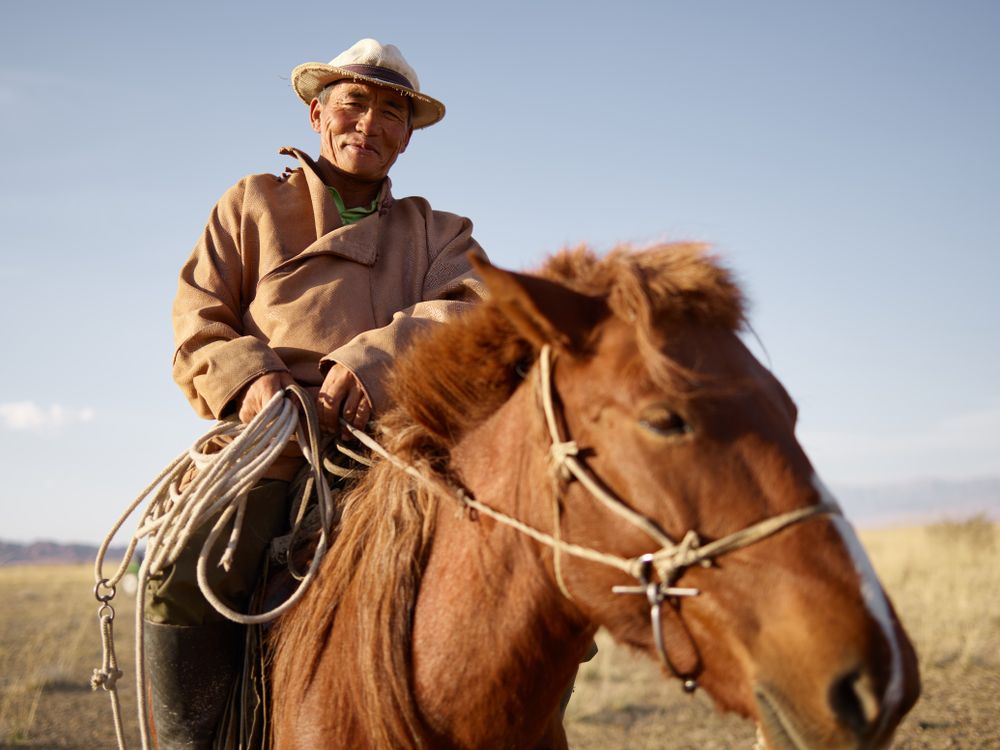
Why standard travel policies often exclude horseback riding
Most off-the-shelf travel policies are written for city breaks and beach holidays. Insurers sort activities into risk tiers, and anything involving a large animal and a real chance of a fall tends to land in a higher tier. A short, supervised pony ride at a resort is frequently covered. A multi-day expedition where you ride unfamiliar semi-wild horses across remote country is often not, or is capped so low that the coverage is close to meaningless.
The language varies by insurer. Some policies list horseback riding as covered only for "leisure" or "recreational" use and specifically exclude trekking, racing or riding away from marked trails. Others stay silent on the activity entirely, which usually means a claims assessor can argue it falls outside the scope. Silence is not coverage.
This is why the first thing to do is read the activity schedule, the document that lists exactly which sports and pursuits are included. If horse trekking or multi-day horseback expeditions are not named there, assume you need an upgrade. If you are still deciding whether a guided trip is right for you, what to expect on a guided horseback riding tour gives a sense of the activity level insurers are pricing against.
Coverage to look for in Mongolia horse trek travel insurance
For a Mongolia trek, medical evacuation is the coverage that matters most. The Government of Canada's travel advisory for Mongolia states plainly that health care is inadequate, that only a few hospitals in Ulaanbaatar are suitable for foreigners, and that "medical evacuation is very expensive" with a limited number of providers available, per the Government of Canada travel advisory for Mongolia. That is a government source, not a sales pitch, and it describes the reality you are insuring against.
Here is what a strong policy should include for a remote expedition:
- Emergency medical treatment with a limit high enough to cover hospital care abroad, not just a token amount.
- Medical evacuation and repatriation that pays to move you from the field to a capable hospital and, if needed, home.
- A 24-hour emergency assistance line that can coordinate an evacuation and talk to local responders.
- Remote or wilderness cover so a claim is not denied simply because you were far from a road or town.
Evacuation is where costs spiral. Air ambulance transport commonly runs anywhere from around $12,000 to well over $100,000 depending on distance and aircraft, so a policy that caps evacuation at a few thousand dollars does not match the risk. On the steppe, the nearest capable hospital may be hours away by vehicle before any flight is even possible, which is exactly why riders on remote expedition routes should treat evacuation cover as non-negotiable.
Adventure-sport policies that cover multi-day expeditions
Once you know standard cover falls short, the fix is usually an adventure-sport or activity-pack upgrade. These are built for travelers doing things that make ordinary insurers nervous, and the good ones name horse trekking directly.
When comparing adventure policies, confirm four things:
- The activity is explicitly listed. Look for "horse riding," "horse trekking" or "multi-day expeditions" by name, not a vague "adventure activities" heading.
- Trip duration is covered. Some policies cap a single activity at a certain number of consecutive days. A five-day or ten-day ride needs a policy that does not quietly exclude expeditions beyond a short window.
- Remote-area rescue is included. Confirm cover applies off marked trails and away from towns.
- Evacuation limits are high. A strong evacuation ceiling protects you from the worst-case bill.
Before you buy, know your own itinerary in detail so you can match it to the policy. A clear day-by-day plan, like the one in this 5-day horse trek in Mongolia itinerary, tells you how many consecutive riding days and how remote each leg is, which are the exact variables an adventure policy prices on.
Reading the fine print on altitude and activity limits
The exclusions buried in the fine print cause more denied claims than the headline coverage ever does. Two clauses deserve close reading before you sign.
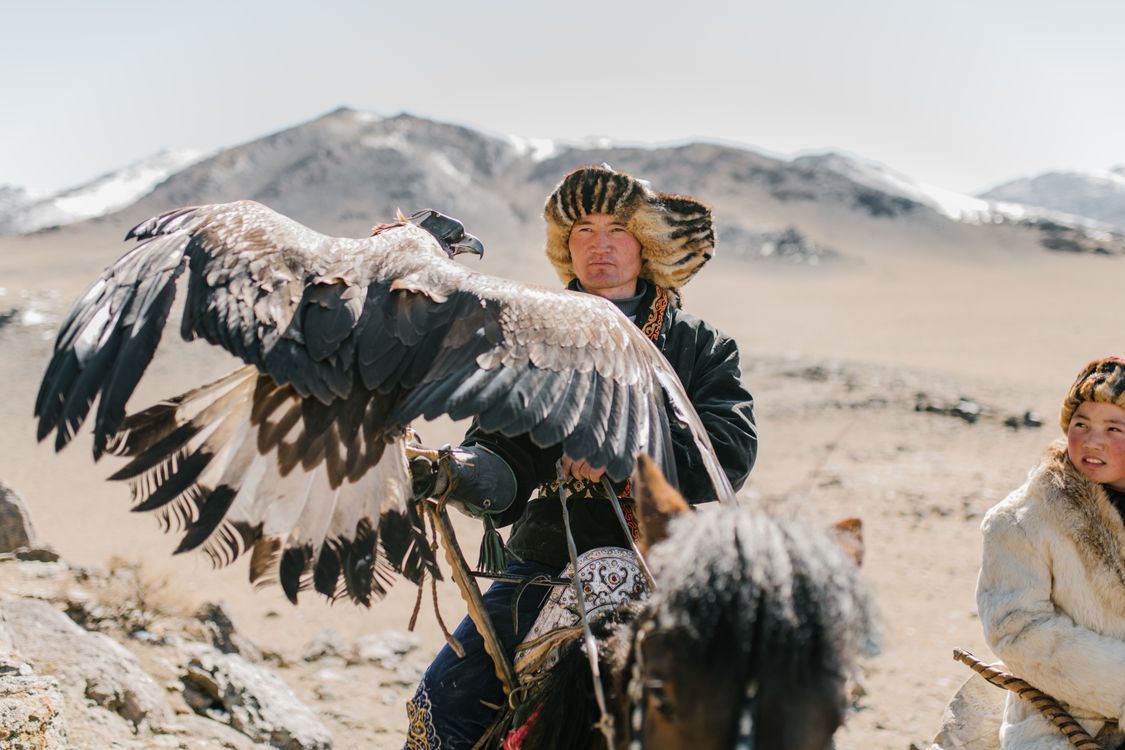
Activity and depth or height limits. Some adventure policies cover horse riding only up to a stated altitude, or only below a certain intensity. Mongolian treks in the Khentii or Altai ranges can climb into high country, so check whether your route stays inside any altitude ceiling the policy names. If the limit is lower than your highest camp, ask the insurer to confirm cover in writing.
Consecutive-day and "hazardous pursuit" clauses. A policy may cover horse riding as a one-off but treat a sustained expedition as a hazardous pursuit requiring a separate upgrade. Others require that you ride with a licensed or professional guide for cover to apply, which is one practical reason to ride with an established operator rather than going it alone. Dream Treks runs guided expeditions precisely so riders are supported by experienced local guides throughout, which also satisfies the "professionally guided" condition some policies attach to adventure cover.
Read definitions too. Words like "accident," "pre-existing condition" and "reasonable care" all have specific meanings in a policy, and a claim can turn on them. If a definition is unclear, email the insurer and keep their written answer.
How to document gear and pre-existing conditions
Documentation you create before you leave is what makes a claim payable later. It takes an afternoon and saves enormous stress.
For gear and valuables:
- Photograph expensive items such as cameras, phones, riding equipment and specialist clothing.
- Keep receipts or note approximate purchase dates and values.
- Check the single-item limit in your policy. Many cap payouts per item, so high-value kit may need to be listed separately.
For your health:
- Declare every pre-existing condition in writing when you buy the policy. An undeclared condition is one of the most common reasons a claim is refused.
- Carry a short medical summary and a list of medications, ideally with generic drug names.
- If you take prescription medication, bring enough for the whole trip plus a buffer, since resupply on the steppe is not realistic.
A simple packing and documentation pass pairs well with the rest of your trip prep. The same gear checklist you build for the ride doubles as the record your insurer will want if a claim ever comes up.
Steps to take if you need to make a claim abroad
If something goes wrong in the field, the order of your actions affects whether the claim pays. Work through these steps.
- Get safe and get care first. Your health comes before paperwork. Let your guide coordinate immediate help.
- Call the 24-hour assistance line as early as possible. Many policies require the insurer to authorize an evacuation or major treatment in advance. Satellite or guide-provided communication may be your only link, so make the call once you have signal.
- Follow the insurer's instructions. If they direct you to a specific hospital or evacuation provider, using an unauthorized alternative can reduce what they pay.
- Keep every document. Save medical reports, receipts, prescriptions, and any police or incident report. Note dates, names and what happened while it is fresh.
- Report theft or loss promptly. For stolen gear, get a written report from local authorities within the time window your policy specifies.
- Submit the claim within the deadline. Policies set a window for filing after you return. Gather your documents and send them before it closes.
Your guiding team is a real asset here. An experienced operator has handled incidents before and can help with translation, transport and the local reporting your insurer will ask for.
Before you book anything, request the full policy wording, read the activity schedule and exclusions, and confirm in writing that your specific trek, including its duration and remoteness, is covered. If a single clause is ambiguous, treat that as a reason to ask rather than assume. Pair that confirmed policy with a well-run, professionally guided expedition and you remove most of the insurance risk that trips up unprepared riders.
Frequently asked questions
Does normal travel insurance cover horseback riding in Mongolia?
Sometimes for casual, short rides, but many standard policies exclude or cap multi-day expeditions and remote-area riding. Check the activity schedule and add an adventure-sport upgrade if horse trekking is not explicitly listed.
How much medical evacuation coverage do I need for a Mongolia horse trek?
Aim for a high evacuation limit. Air ambulance costs run from roughly $12,000 to well over $100,000 depending on distance and aircraft, so a policy with a low cap can leave you exposed.
What should I do if I get injured on a remote trek?
Contact your insurer's emergency assistance line as early as you can, follow their instructions, and keep every medical record, receipt and incident note to support your claim.
Do I need to declare a pre-existing condition?
Yes. Declare any pre-existing condition in writing before you travel. An undeclared condition is one of the most common reasons a claim is denied.