
The Traditional Mongolian Saddle Explained
The traditional Mongolian saddle is built on a rigid wooden frame, carved from birch, with a high pommel and cantle that hold the rider firmly in place. Short stirrups set it apart from Western and English saddles, because riders stand and shift their weight at the trot rather than posting up and down. If you are preparing for a trek across the steppe, understanding this piece of gear will make your first day in the saddle far less of a surprise.
The Mongolian saddle is one of the oldest riding designs still used every day. It evolved to suit long distances, sturdy steppe horses, and a riding style passed down through generations of herders.
The Anatomy and History of the Wooden Mongolian Saddle
At the heart of the Mongolian saddle is a wooden tree, usually carved from birch, with a separate pommel at the front and cantle at the back joined in the middle. Archaeologists radiocarbon-dated the oldest known frame saddle to roughly 420 CE in the Mongolian Altai (Science Daily, December 2023). That ancient example was built from about six pieces of birch wood, held together with wooden nails and painted red with black trim.
The rigid tree does the real work. A high pommel and cantle rise at either end, cradling the rider and preventing slips on fast descents or sharp turns. Thin leather and metal cover the frame, and a blanket, often stuffed with camel hair, sits underneath for a thin layer of cushioning. There is no bulky padding built into the seat itself.
This design has barely changed in centuries because it works. The rigid frame with stirrups helped turn mounted herders into effective cavalry, and the same shape still carries riders across the same landscape today.
Why It Differs From Western and English Saddles
The clearest difference is weight and padding. A Western saddle is heavy and deeply padded, built around a horn for roping. An English saddle is lighter and closer to the horse for jumping. The Mongolian saddle keeps a hard, rigid seat with no horn, relying on its high pommel and cantle for security instead of a soft cushion.
Stirrup length is the next big change. Mongolian stirrups sit short, close to jockey length, while English riders use a medium drop and Western riders ride long and relaxed. The seat is also smaller, shaped to fit the short back of the hardy Mongolian horse. Many Western and English saddles are simply too large for these animals.
Two cinches hold everything in place. The rear cinch stays tight, the opposite of most Western setups, while the front cinch steadies the saddle over the withers. Together they keep the wooden tree stable through hours of varied terrain.
Comfort Tips for Long Days in a Traditional Saddle
A hard wooden seat sounds punishing, and the first hour can feel firm. The trick is to stop sitting still. Shift your weight from one stirrup to the other every few minutes, which rests different muscles and spreads the pressure instead of grinding it into one spot.
Stand up in the stirrups whenever the horse picks up a long trot. Standing lets your legs absorb the bounce that would otherwise jar your seat. Add a padded saddle cover for a softer surface, wear thicker riding trousers, and keep your stirrups short enough to stand quickly. For a fuller sense of pacing, terrain, and daily rhythm, see our guide on what to expect on a guided horseback riding tour.
Build up slowly. Most riders find the first day or two the hardest, then their body adapts to the posture and the long hours become routine.
Decorative Silverwork and Cultural Significance
Silver turns a working tool into a statement. A decorated saddle traditionally showed the owner's wealth and social standing, and an experienced eye could read both tribe and status from the metalwork alone. Repoussé silver strips trimmed the pommel and cantle, while silver bosses studded the frame and seat.
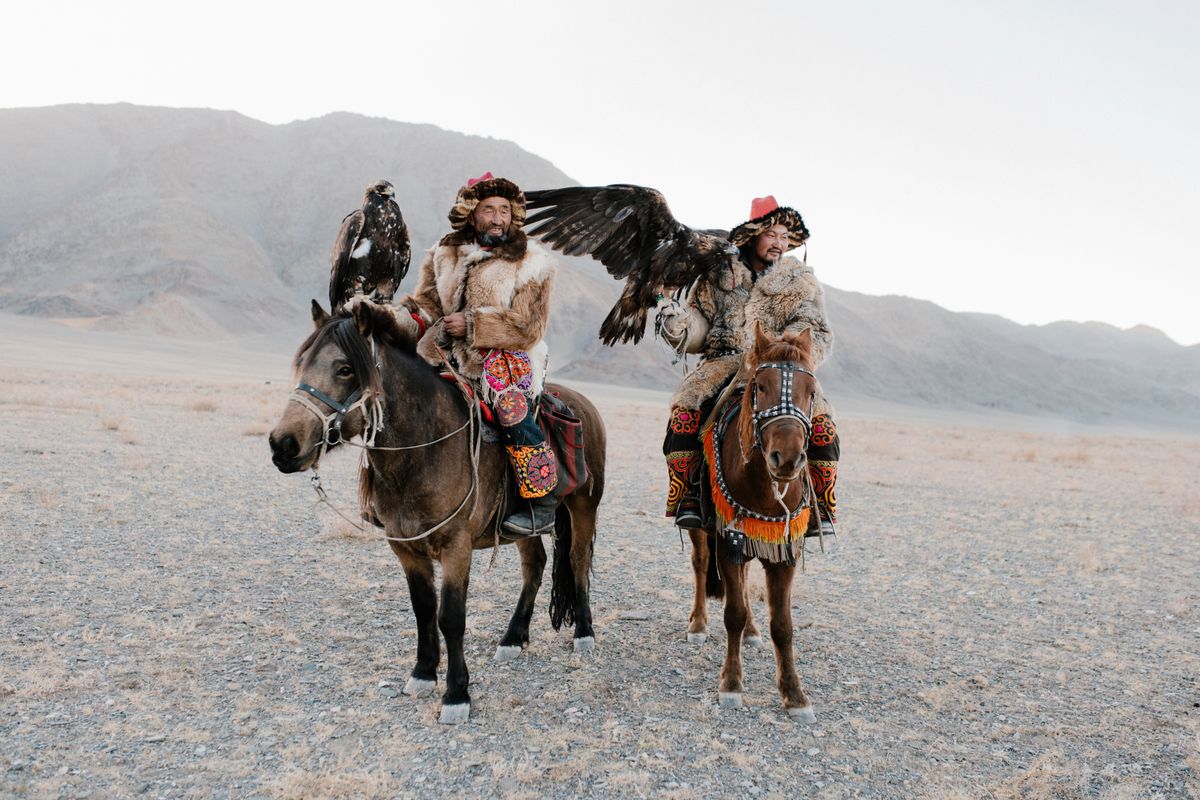
The Khalkha of central Mongolia graded their saddles by silver ornaments called "whites". A saddle might be rated as eight-whites, ten-whites, or twelve-whites, with twelve marking the highest category (Asian Art, Museum of Mongolian History). Eight leather straps, the ganzaga, hung from silver bosses to carry gear or secure game after a hunt.
The finest noble saddles went further, adding filigree enamel, lacquer, gemstone inlay, and gold. Even today, a beautifully worked saddle remains a prized family object, not just equipment.
Can You Request a Padded or Western Saddle on Tour?
Yes, and you should ask early. Most Mongolia operators keep a mix of gear for international guests, including padded saddle covers and Western-style saddles with longer stirrup leathers. Dream Treks packs these options so first-time riders are not forced onto a bare wooden frame for a week.
Requesting adapted gear is not a compromise on authenticity. You still ride the same route on the same steppe horses, with support from guides who know the terrain. The saddle simply meets you where your experience is, which matters a great deal on multi-day expeditions.
Tell your operator your riding background when you book. If you have never ridden for hours at a stretch, a padded cover or a familiar saddle shape can be the difference between enjoying the journey and gritting through it.
How to Sit and Balance for All-Day Riding
Good balance in a Mongolian saddle comes from your legs, not your seat. Keep your stirrups short, your heels down, and your weight ready to lift off the saddle the moment the horse speeds up. At a walk you can sit; at a trot you rise and let your knees and ankles take the motion.
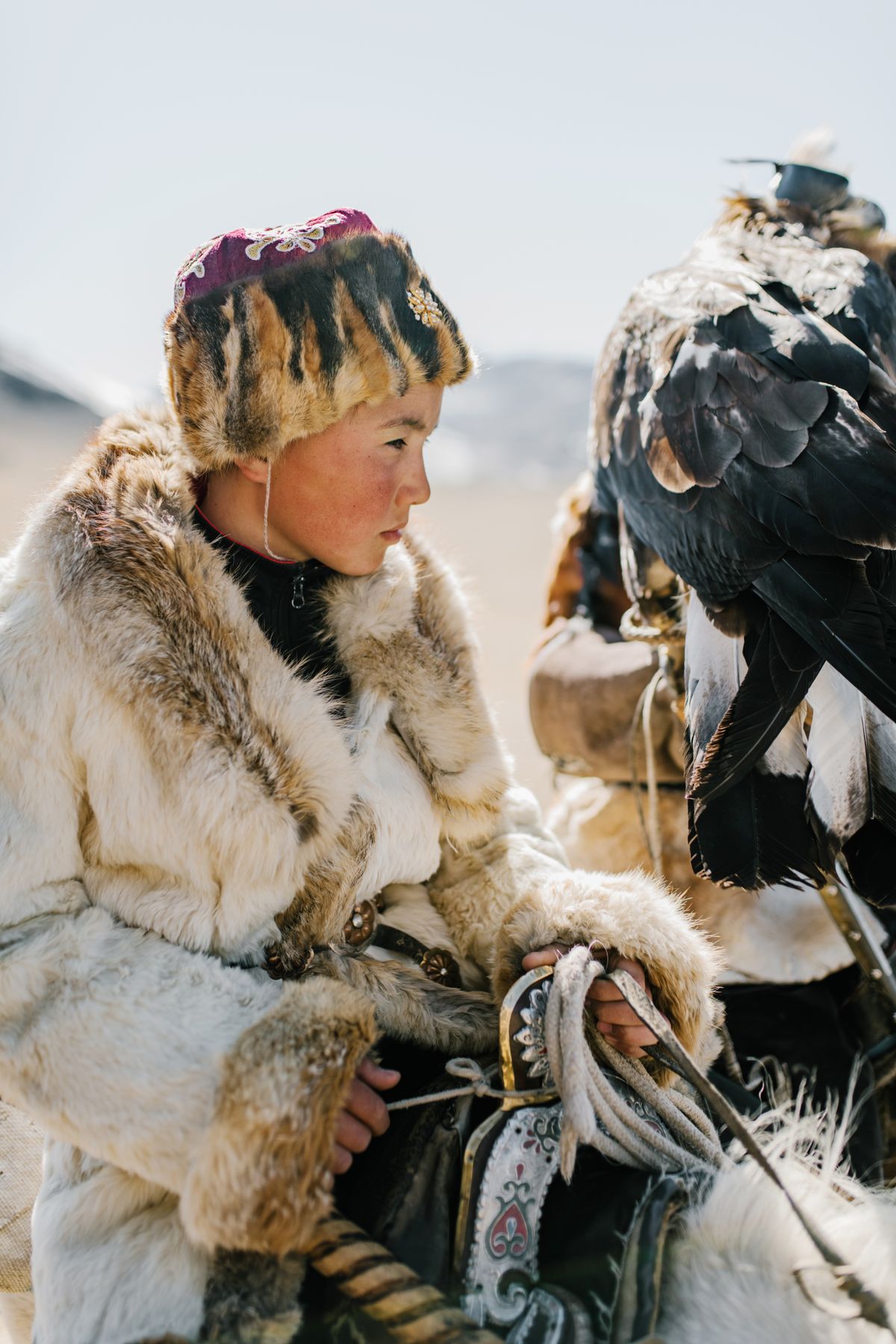
Nomadic riders stand at a long trot rather than posting, and they rest by leaning into one stirrup for a stretch before switching. Copy that habit and your back and seat will thank you by evening. Stay relaxed through your hips so you move with the horse instead of fighting it.
If you want to practice the full mounting and riding technique before you travel, read our walkthrough on how to ride a Mongolian horse like a nomad. A little preparation turns an unfamiliar saddle into a comfortable perch for the open steppe.
The best next step is simple: tell your operator how much riding you have done, then let them match the saddle and stirrups to you before your trek begins.
Frequently asked questions
What is a Mongolian saddle made of?
The core is a rigid wooden tree carved from birch, with separate pommel and cantle pieces joined at the center. Thin leather and silver cover the frame, and a camel-hair blanket sits underneath for padding.
Why does the Mongolian saddle have such short stirrups?
Short stirrups let riders stand and shift their weight at a long trot instead of posting. This absorbs the horse's motion over many hours and keeps the rider balanced on rough steppe terrain.
Can I ask for a padded or Western saddle on a tour?
Yes. Most Mongolia operators, including Dream Treks, keep padded covers and Western-style saddles for international riders. Request one when you book so the right gear is packed for your trek.
Is a Mongolian saddle uncomfortable?
The hard wooden frame feels firm at first, but standing in the stirrups, shifting weight between legs, and adding a padded cover make full days manageable. Most riders adjust within a day or two.
What does the silver on a Mongolian saddle mean?
Silverwork signals the owner's wealth and social standing. Khalkha saddles were historically graded by their count of silver ornaments called 'whites', with twelve-whites being the highest tier.