
Sustainable Tourism on Mongolia Horse Treks
Sustainable tourism in Mongolia comes down to a simple test: does your trek leave the grassland, the horses, and the herder families better off than a cheaper trip would? On a horseback expedition that means small groups, fair pay for local hosts, careful animal welfare, and carrying out every scrap of waste. The steppe is already under real pressure, so the choices travelers and operators make on the ground carry weight.
This guide walks through what responsible horse trekking actually looks like across six areas, from protecting the grasslands to picking an operator that puts community benefit first. If you are still in the research stage, it pairs well with our overview of how to choose a Mongolia horseback tour operator.
Why sustainable tourism in Mongolia matters now
The land you ride across is changing fast. Nearly 82 percent of Mongolia's total territory is affected by desertification and land degradation, according to a 2026 assessment by the country's Ministry of Environment reported by Xinhua. The same assessment found that average air temperature rose 2.5 degrees Celsius between 1941 and 2025, and that soil moisture has declined across 93.3 percent of the country.
Those numbers set the stakes. A warming, drying steppe recovers from stress more slowly, so grazing pressure and careless camping do lasting damage. Tourism is not the main driver of degradation, overgrazing and drought are, but trekking adds to the load if it is run badly. Done well, it can fund the herder families who are the steppe's long-term stewards.
How responsible riding protects fragile grasslands
Responsible riding keeps horses off the most vulnerable ground and spreads impact thin. The steppe's root systems hold thin topsoil in place, and repeated trampling along the same line cuts trails that channel water and erode. Good operators rotate routes season to season, avoid wet bogs where hooves sink and scar the surface, and keep group sizes small so no single meadow carries a crowd.
Three habits make the difference:
- Riding in small groups, so grazing and trampling stay within what a patch of grass can absorb overnight.
- Varying campsites and trails rather than hammering a single scenic spot every trip.
- Moving herds on before grass is grazed to the root, which lets it recover.
These are the same range-management instincts nomadic herders have used for centuries. A trek that follows the herders' lead, instead of overriding it for a tighter schedule, treads lighter by design.
Supporting nomadic herder families through fair tourism
Fair tourism puts money directly into herder households rather than skimming it off to distant agencies. The clearest path is local employment: herder guides, horse wranglers, and cooks earning a real wage, plus payments for homestays, horse hire, and food bought from the families you visit. When those payments are transparent, a trek becomes a reason for young people to stay on the land instead of leaving for the city.
This matters because herding livelihoods are squeezed from several directions at once, including degraded pasture and harsher winters. Tourism income diversifies a household's earnings so it does not depend entirely on livestock and weather. Dream Treks builds routes around partnerships with the families whose camps you stay in, which keeps a larger share of each trip in the local economy. To see what that daily exchange looks like in practice, read a day in the life on a Dream Treks expedition.
Leave-no-trace camping on expeditions
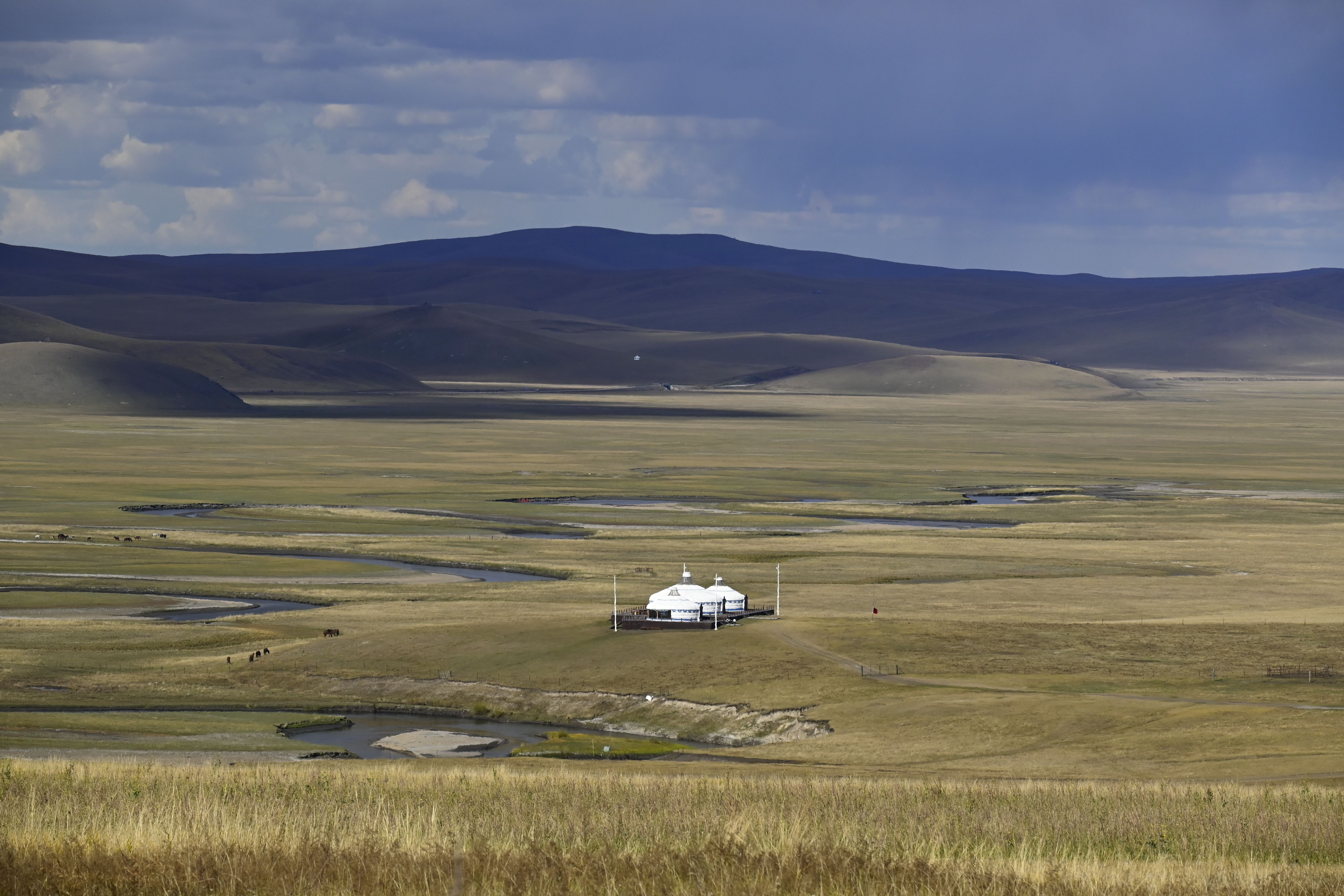
Leave-no-trace camping means a site shows no sign you were there after you ride away. On the open steppe, where there are no bins, no toilets, and often no other people for miles, the responsibility sits entirely with your group. The core practices are straightforward:
- Pack out everything you pack in, including food scraps that do not belong in a local ecosystem.
- Keep fires small, use existing fire sites or a stove, and never cut live wood, which is scarce on grassland.
- Camp on durable ground away from water sources, and bury human waste well away from streams.
- Keep noise down near herder camps and wildlife, and give grazing animals space.
Reputable operators brief riders on these rules before the first night out and carry the gear to follow them. The goal is that the next group, and the family whose pasture you borrowed, finds the site exactly as it was.
Animal welfare and ethical treatment of trek horses
Ethical treatment starts with workload: a healthy trek horse is rested, well fed, and never pushed past its limits. Mongolian horses are hardy and semi-free-ranging, but they still need daily care on a working expedition. That means checking backs and hooves each day, fitting saddles and pads so they do not rub, rotating horses so no animal carries weight day after day, and matching nervous riders to calm, experienced mounts.
Herders who depend on their horses year-round have every reason to keep them sound, and a good operator makes that care visible to guests. Before you book, ask how many riding days each horse works, how the team handles a tired or lame animal, and who decides when a horse needs a rest. Clear answers signal an operator that treats welfare as a standard, not a slogan.
Reducing plastic and waste in remote areas
Cutting plastic matters most where there is no system to deal with it. Across much of rural Mongolia there is no waste collection, so a plastic bottle dropped on the steppe stays there or gets burned. The fix is to design the trip to produce less waste in the first place:
- Carry a refillable bottle and a filter or purification tablets instead of buying single-use bottles.
- Repackage food into reusable containers before the expedition to cut packaging carried into the field.
- Bring your own toiletries in refillable containers and choose biodegradable soap for washing away from water.
- Collect and carry out all rubbish, including anything you find left by others.
A small group that commits to these habits removes a surprising volume of plastic from a route over a season. It also sets an example for the wider travel economy that herder families and local guides increasingly expect.
Choosing operators committed to community benefit
The operator you choose decides most of your trip's real impact, so this is where to spend your research time. A genuinely responsible operator can explain, in plain terms, how your fee reaches the communities you visit, how it limits group sizes, how it rests its horses, and how it handles waste. Vague sustainability language with no specifics is a warning sign.
A useful external benchmark is the Global Sustainable Tourism Council, which publishes criteria covering community benefit, local employment, and environmental management that serious operators measure themselves against. You do not need a certificate to run a good trek, but you should expect an operator to welcome hard questions about pay, welfare, and waste.
Practical questions worth asking:
- What share of my fee goes to the families and guides on the route?
- How many riders are in a group, and how often do you change routes?
- How do you care for and rest the horses across a multi-day trek?
- What happens to waste, and do you pack everything out?
For a deeper checklist on vetting a company, our operator-selection guide breaks down the questions and red flags in more detail.
Riding the steppe without wearing it down
The next step is practical: before you book any Mongolia horse trek, send the operator the four questions above and judge the answers. An operator that replies with specifics on pay, group size, horse rest, and waste is one worth riding with, and your trip will quietly support the grasslands and the families who keep them alive. Start that conversation now, while you still have room to choose.
Frequently asked questions
What makes horse trekking in Mongolia sustainable?
A trek is sustainable when it limits grazing pressure on the steppe, pays herder families fairly, treats horses well, and removes all waste. The operator's local hiring and route choices matter more than any single traveler action.
Is horseback riding bad for the Mongolian steppe?
Riding itself has a light footprint when groups stay small and vary their routes. The larger threats to the steppe are overgrazing by livestock and climate-driven drought, not well-managed trekking.
How do I choose a responsible horse trekking operator in Mongolia?
Look for operators that hire local herders, keep groups small, rest their horses, pack out waste, and can explain exactly how trek fees reach the communities you visit.
Are the horses treated well on Mongolian treks?
On reputable treks, yes. Herders rotate horses to prevent fatigue, check backs and hooves daily, and match riders to calm animals. Ask an operator how it manages workload and rest before booking.