

Orkhon Valley Horseback Expedition Highlights
A solo horse trek Mongolia traveler could not choose a better first expedition than the Orkhon Valley, a UNESCO-listed river corridor of open grassland, waterfalls and working herder camps. You ride across living nomadic country that has carried pastoralists for two millennia, past the ruins of the old Mongol capital and down to a volcanic waterfall on Mongolia's longest river. This guide walks through the highlights, the terrain, the cultural stops and how many days to budget.
The valley rewards riders who want scenery and substance in one route. It is gentle enough to learn on and rich enough to keep seasoned riders engaged.
Why the Orkhon Valley Is a UNESCO Riding Destination
The Orkhon Valley Cultural Landscape was inscribed on the UNESCO World Heritage List in 2004 and covers 121,967 hectares of pastureland along both banks of the river (UNESCO World Heritage Centre). It sits about 360 km southwest of Ulaanbaatar and protects a continuing nomadic landscape, not a frozen monument.
That distinction matters on horseback. The grassland you cross is still grazed by herders today, so the route is alive with animals, gers and daily camp rhythms. The site earned its listing partly for showing how nomadic pastoralism built trade and administrative centers across two thousand years.
For a solo rider, a working landscape means support is never far. Herder families live along the route, water sources are known, and the open country is easy to read. You get wilderness scale without the isolation of a truly remote expedition.
Archaeological remains dating to the 6th century lie scattered through the valley, including the ruins of Karakorum, the 13th century Mongol capital. Riding past that history gives the route a depth few grassland trails can match.
Waterfalls, Grasslands and Historic Sites Along the Route
The centerpiece is the Ulaan Tsutgalan waterfall, which drops roughly 20 meters and spans about 10 meters wide near the Orkhon River. The falls formed from ancient volcanic activity, and reaching them on horseback is the natural climax of most valley expeditions.
Between the trailhead and the falls, the route threads open grassland, basalt gorges and the braided channels of the Orkhon itself. The river is Mongolia's longest at 1,124 km, rising in the Khangai Mountains and feeding the pastures you ride through. Wide skies and long sightlines define the daily view.
Historic stops break up the riding. Many itineraries pass near Kharkhorin and the Erdene Zuu monastery, the first Buddhist monastery in Mongolia, built with stones from the old imperial capital. A short dismount to walk these grounds adds context to the saddle time.
The grassland changes character as you move. Lower sections run flat and fast for canters, while the approach to the falls climbs into rockier, more deliberate terrain. That variety keeps the route from feeling repetitive across a week.
Herder Camps and Cultural Stops You Will Pass Through
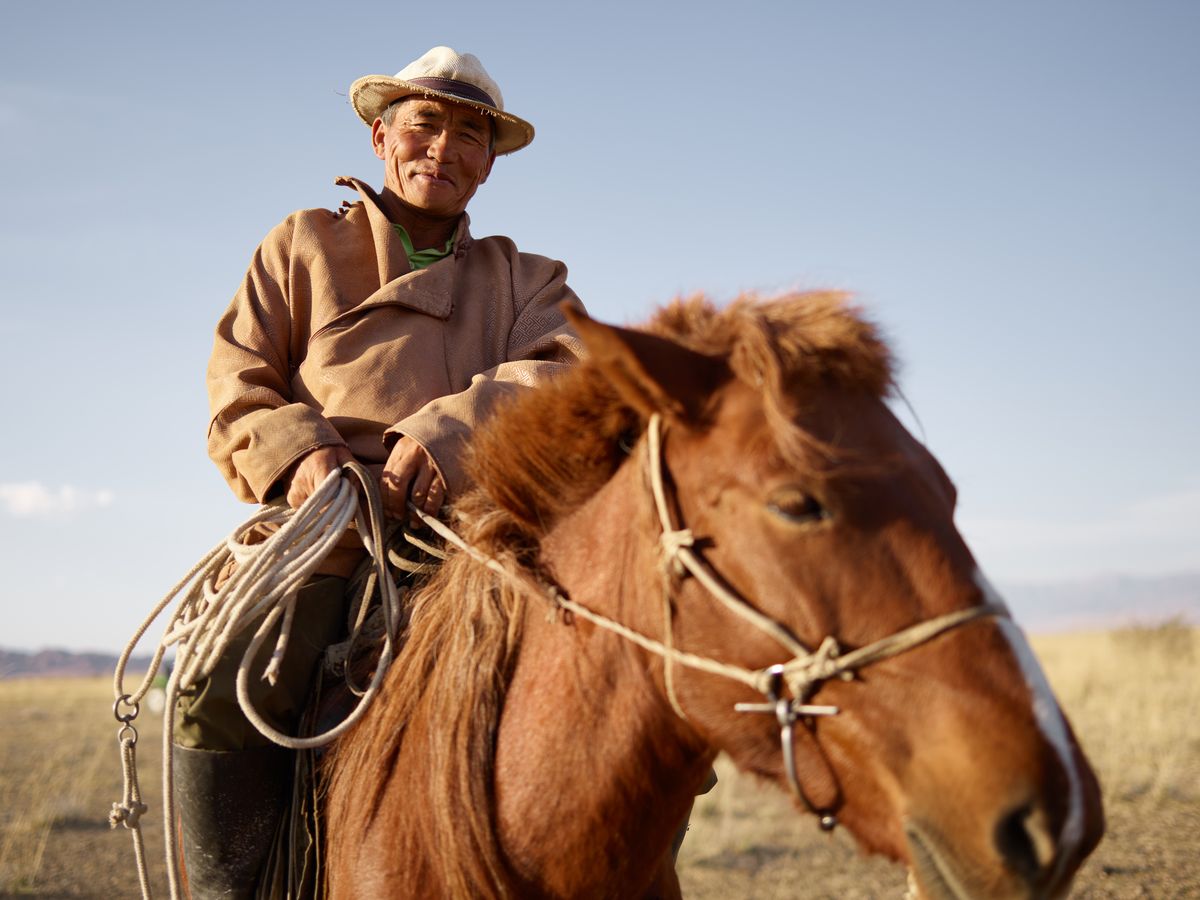
Herder camps are the social heart of an Orkhon expedition. Families along the route welcome riders for tea, airag and conversation, and guided outfits often arrange overnight stays in a family ger. These stops turn a scenic ride into a cultural one.
Expect to see daily nomadic work up close: milking, herding on horseback, and the seasonal movement of livestock across the pasture. Watching a herder ride is the fastest way to improve your own seat, since their technique is built for all-day comfort. Our riders often report that a single afternoon with a herder family reshaped how they thought about the whole trip.
Cultural etiquette is simple but worth learning. Accept offered food with your right hand, move clockwise inside a ger, and ask before photographing people. A few phrases of Mongolian open doors quickly. For a head start, read our guide to essential Mongolian phrases for travelers before you go.
Dream Treks structures its Orkhon routes around these encounters rather than racing between them. The pace leaves room for a long lunch at a camp or an unplanned stop when a family waves you over.
Riding Conditions for a Solo Horse Trek Mongolia Route
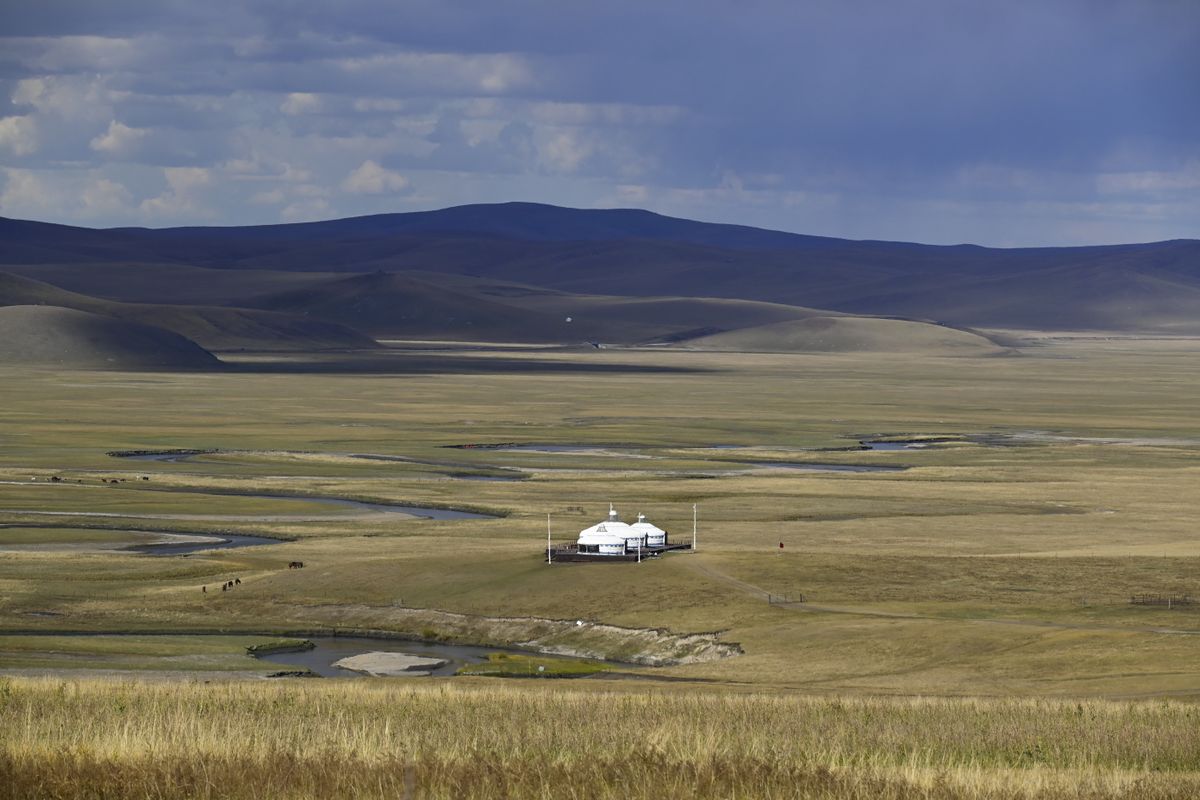
The Orkhon Valley offers some of the most forgiving terrain in Mongolia for a multi-day ride. Most of the route runs across open grassland with gentle gradients, broken by shallow river crossings and a rockier climb near the waterfall. Daily distances are moderate, which keeps horses fresh.
Mongolian horses carry you through it. They are short, hardy and sure-footed, bred for exactly this country. They handle river crossings and uneven ground with little fuss, which steadies nervous riders. Confidence comes fast once you trust the horse to read the ground.
What riding level do you need? Intermediate comfort is ideal. You should be able to walk, trot and canter and keep your balance during a shallow crossing. Guided outfits match horses to ability, so a confident beginner who prepares can still join. For a realistic picture of a riding day, see what to expect on a guided horseback riding tour.
Weather drives the terrain more than elevation does. After rain, grassland softens and crossings run higher, so guides adjust the line. In dry stretches the footing is firm and fast. Riding June through September gives the kindest conditions and the greenest pasture.
How Many Days to Plan for an Orkhon Expedition
Plan 7 to 10 riding days for a full Orkhon Valley expedition. That window reaches the Ulaan Tsutgalan waterfall, builds in rest days for you and the horses, and leaves time for herder camps and the historic sites near Kharkhorin. Shorter trips exist, but they trade away the cultural stops.
A tighter 4 to 5 day version covers the core grassland and a waterfall visit without deep detours. It suits travelers short on time who still want the signature scenery. A longer 10 day route adds rest days and side valleys at a gentler pace.
Add travel buffer on each end. The valley sits 360 km from Ulaanbaatar, so a driving day in and out is normal. Build that into your calendar so riding days are not cut short.
Season shapes the plan too. July and August deliver the fullest pasture and the most reliable crossings, while June and September trade some green for fewer visitors. Any of these months supports a comfortable week-long route.
Combining the Valley With Other Central Mongolia Routes
The Orkhon Valley connects cleanly to the rest of central Mongolia, which makes it a strong anchor for a longer expedition. Its position near Kharkhorin and the Khangai Mountains puts several extensions within a short transfer, so you can stack regions without long backtracking.
A natural pairing is the Khangai range to the west, where forested slopes and higher passes contrast with the open valley floor. Riders who want more climbing and cooler air often add this leg after the waterfall. The shift in terrain keeps a two-week trip varied.
Travelers short on time sometimes combine a valley ride with a quick Terelj loop near the capital at the start or end of the trip. It is an easy way to add saddle time around arrival and departure logistics.
For a sense of how a structured multi-day Mongolian route flows from day to day, the planning principles carry over well whether you ride the Orkhon or elsewhere. A well-paced itinerary protects both the horses and your energy across a longer expedition.
If the Orkhon Valley fits your timeframe, the next step is simple: pick your window in the June to September season and talk to a guided outfit about a 7 to 10 day route that includes herder-camp nights and the waterfall. Dream Treks builds solo-friendly Orkhon expeditions around exactly those highlights, so you can ride the UNESCO country with support close at hand.
Frequently asked questions
Is the Orkhon Valley good for a solo horse trek in Mongolia?
Yes. The open terrain and short daily distances suit solo riders traveling with a guided outfit. You get wide, readable country, frequent herder camps for support, and a UNESCO-listed route that rarely feels crowded.
How many days should I plan for an Orkhon Valley expedition?
Budget 7 to 10 riding days. That window reaches the Ulaan Tsutgalan waterfall, allows rest days, and leaves room for cultural stops at herder camps and Kharkhorin without rushing the horses or yourself.
What riding level do I need for the Orkhon Valley?
Intermediate comfort helps. You should be able to walk, trot and canter and stay balanced during shallow river crossings. Guided outfits match horses to ability, so confident beginners can still join with preparation.
When is the best season to ride the Orkhon Valley?
June through September offers green grassland, milder weather and accessible river crossings. July and August bring the fullest pasture and the most reliable footing for the waterfall section.