
National Geographic Mongolia Horse Trek Moments
A National Geographic Mongolia horse trek moment is the one where the whole scene aligns: low golden light raking across open grassland, a herder loping by on a tough little horse, and mountains stacked blue to the horizon. You do not need a film crew to find these moments. You need the right landscape, the right season, and the patience to let them happen.
This guide walks through the scenes that make Mongolia a bucket-list ride, the encounters worth capturing, and how to experience them without turning real people and wildlife into props. It also points to the routes that reliably deliver cinematic terrain.
What makes Mongolia a National Geographic-worthy ride?
Mongolia earns its documentary reputation through scale and living culture together. Nomadic herders comprise nearly 30% of the country's population (World Bank, 2024), so a horse is still a working tool across much of the land, not a tourist novelty.
That ratio matters for your camera. When a third of a nation still moves with its herds, the scenes photographers chase elsewhere happen here as daily life. A family folding a ger at dawn. Children racing bareback. A rider silhouetted on a ridge, checking the horizon for weather.
The landscapes carry the rest. Mongolia strings together rolling steppe, forested mountains, glacial rivers and desert within a single trip. Few places let a rider cross so many backdrops in a week, and that variety is exactly what a photo essay needs.
Which moments deliver golden-hour steppe, passes and crossings?
The three highest-impact moments on most treks are golden-hour steppe, a mountain pass, and a river crossing. Each one rewards timing more than gear, and all three are achievable on a well-planned multi-day route.
Golden hour on the steppe is the signature shot. In the hour after sunrise and before sunset, the grass turns amber and every rider throws a long shadow. Plan your riding day so you are moving across open ground during that window rather than setting up camp.
Mountain passes give you layers. As the trail climbs, ridgelines stack behind one another and the horses become small figures in a big frame. The crest of a pass, with prayer-flag cairns called ovoos, is a natural place to pause and shoot back down the valley.
River crossings bring motion and tension. Horses picking through fast water, spray catching the light, riders standing in their stirrups: it is the most kinetic scene of the day. Dream Treks routes often follow river valleys precisely because they stack good light, water and camp spots in one place.
Which encounters with herders and wildlife are worth capturing?
The encounters worth capturing are the ones that show a working relationship between people, horses and land. Mongolia's wild takhi horse passed 1,000 individuals in 2026, and Hustai National Park hosts about 450 of them (The Good Press, 2026). That recovery is a quiet conservation landmark you can witness on the ground.
The takhi is the last truly wild horse species, never domesticated. In 1992, the first 16 arrived at Hustai after the subspecies had vanished from the wild. Watching a band graze free on the hills near Ulaanbaatar is a genuine documentary moment, and a zoom lens keeps you at a respectful distance.
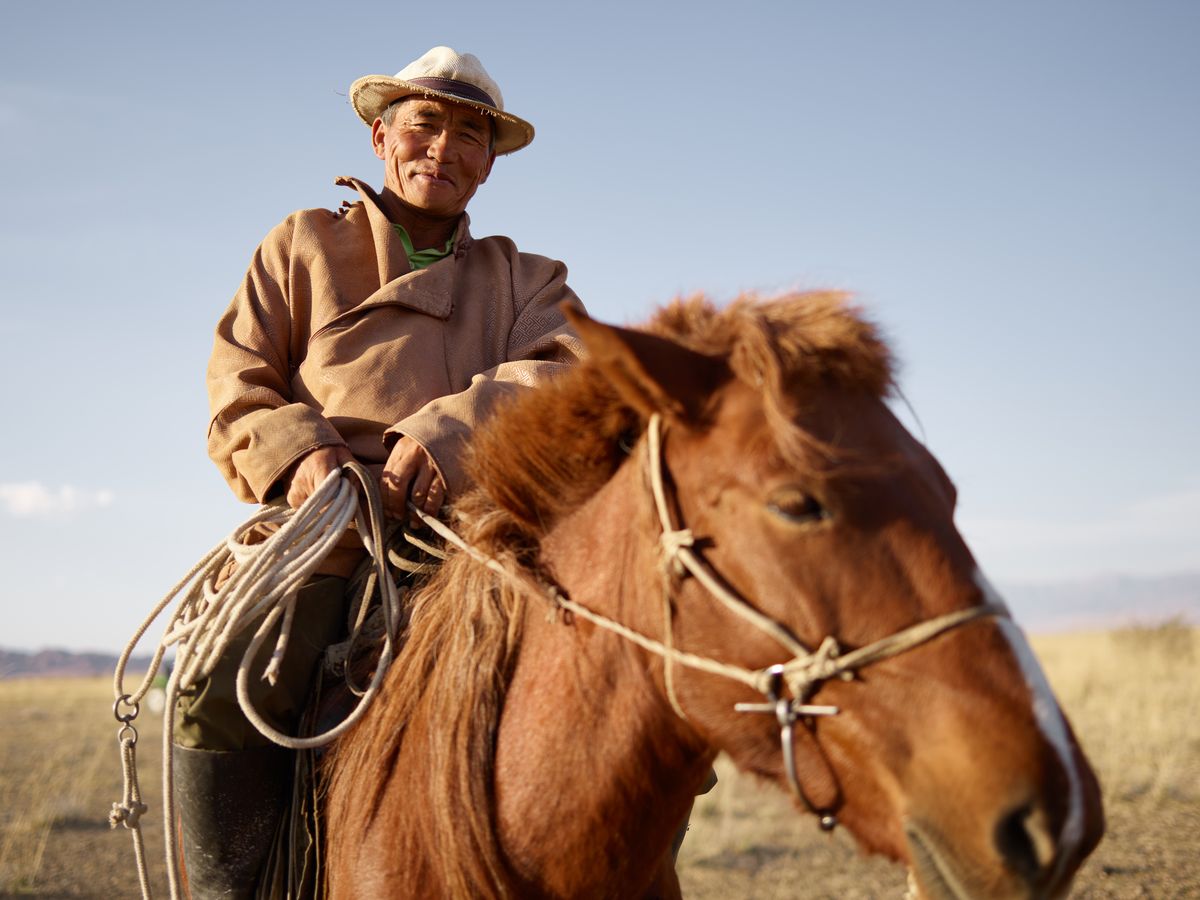
Herder encounters are the heart of most trips. Sharing airag inside a ger, watching a young rider train a colt, or helping move a flock gives you portraits with real context. Ask first, and let people be themselves rather than posing.
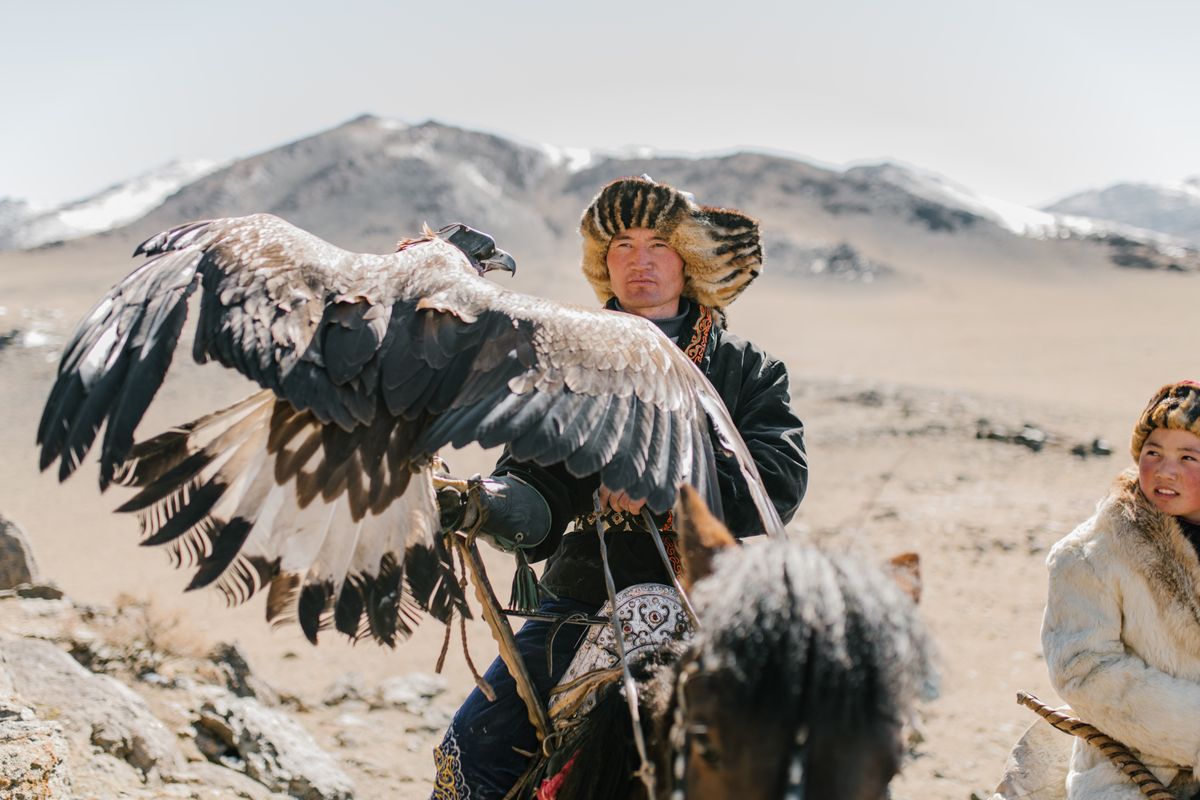
Wildlife beyond the takhi adds texture: marmots standing sentry, steppe eagles riding thermals, and in the far west, golden eagles flown by Kazakh hunters. A patient rider with a long lens comes home with far more than horse portraits.
How do documentary-style journeys inspire real expeditions?
Documentary coverage works best as a mood board, not a map. Mongolia's steppe and nomadic horse culture have appeared in National Geographic features and photography for years, and that imagery sets expectations for light, space and intimacy with daily life.
The gap between a film still and a real ride is the work in between. A photographer waits days for weather and trust. On a trek, you build your own version of that patience: you ride the hours when the light is good, you camp where the valley opens, and you spend enough time with a family that they relax.
Translate what inspires you into route choices. If a photo of misty forest-steppe pulls at you, pick a northern mountain route. If it is a lone rider on bare grassland, head for open country. New riders should ground these ambitions in a realistic view of daily mileage before committing to a demanding itinerary.
The reward of a real expedition is what a documentary cannot give you: the smell of crushed grass, the ache after a long day, the sound of hooves at a canter. Those sensations shape the photos you take and the way you remember them.
How do you experience these moments responsibly?
Responsible access comes down to consent, distance and partnership. Always ask before photographing herders, and especially their children, even when a gesture is all you share. A nod and a smile usually open the door, and the portrait is better for it.
Keep your distance from wildlife and livestock. With takhi and other wild animals, use a zoom rather than closing the gap, so the band stays calm and keeps its natural behavior. Crowding an animal for a frame trades a better photo for a worse outcome.
Choose operators that work in genuine partnership with herder families, paying fairly and respecting seasonal movements. Dream Treks builds its routes around these relationships, which is what makes the ger visits real rather than staged. If you are weighing operators, our guide on how to choose a Mongolia horseback tour operator lays out the questions to ask.
Tread lightly on the land itself. Camp on durable ground, pack out waste, and follow your guide's lead around ovoos and other sacred sites. The scenes that drew you here only stay photogenic if riders leave them intact.
Which routes deliver the most cinematic landscapes?
For most travelers, the most cinematic terrain sits in the Terelj region and the Khan Khentii wilderness, with the far west as a dramatic step up. Each offers a distinct visual signature, so match the route to the images you most want to come home with.
Gorkhi-Terelj, close to Ulaanbaatar, is the accessible option. Granite formations, pine-fringed river valleys and open meadows pack into short rides, which makes it ideal for a first trip or a tight schedule.
The Khan Khentii wilderness is the deep-steppe choice. Remote forest-steppe, mountain passes and river systems give you the layered, unpeopled frames that define classic Mongolia photography. It asks for more riding fitness and more days in the saddle.
The far west, around the Altai, is the showpiece. Glaciated peaks, high passes and the Kazakh eagle-hunting tradition combine into some of the country's most striking scenes, though it takes real commitment to reach.
Plan the ride before you chase the shot
Pick the single moment you most want to come home with, then build backward. If it is golden-hour steppe, choose open country and ask your guide to schedule riding during the light. If it is a river crossing or a herder's ger, favor a route and season that put you where those happen naturally.
Your next concrete step: sketch a two-line brief of the three scenes you care about most, and bring it to your operator when you plan dates and routes. A clear picture of what you want is the fastest way to turn a documentary daydream into a ride that actually delivers it.
Frequently asked questions
Has National Geographic really covered Mongolia horse treks?
Mongolia's steppe, nomadic herders and horses have appeared in National Geographic features and photography for decades. No single trek route is official, so treat documentary coverage as inspiration for the kind of landscapes and encounters you can seek on a real expedition.
Where are the most photogenic Mongolia horse trek landscapes?
Gorkhi-Terelj near Ulaanbaatar offers granite formations and river valleys for shorter trips. The Khan Khentii wilderness gives you remote forest-steppe and mountain passes. The far west adds glaciated peaks and eagle hunters on horseback.
When is the best light for photos on a Mongolia horse trek?
Golden hour, the hour after sunrise and before sunset, gives the steppe its warm, cinematic glow. Summer offers long days and green grass, while early autumn brings golden larch and clearer air across the mountains.
Can I see wild horses on a Mongolia horse trek?
Yes, near Hustai National Park, which hosts about 450 takhi (Przewalski's horses), the last truly wild horse species. Keep a respectful distance and photograph them with a zoom lens rather than approaching.
How do I take these photos responsibly?
Ask before photographing herders and their children, keep distance from wildlife and livestock, and choose operators that work in genuine partnership with local families. Responsible access is what keeps these places open to future riders.